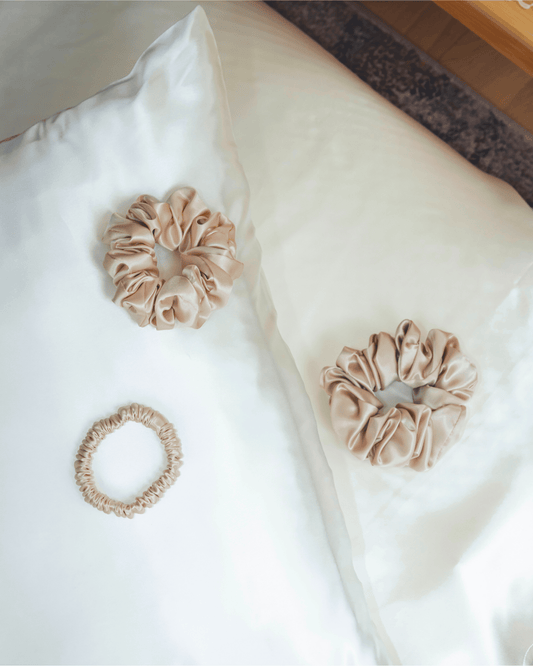

How Touch Changes Mood: The Neuroscience Behind Softness
Introduction: In the Embrace of Softness
Imagine wrapping a silk shawl around your shoulders on a chilly evening. The fabric glides over your skin with a gentle weight, and in that moment an inexplicable calm washes over you. It’s as if the softness itself whispers that you are protected, that you can finally exhale. For many of us – especially high-end, aesthetic-conscious women in bustling cities – these moments with soft materials are more than indulgence. They are little rituals of reassurance, offering not just physical comfort but an emotional cocoon of safety.
We often think of luxury fabrics like silk, cashmere or velvet as status symbols, yet their real power may lie in how they make us feel. Why do such sumptuous textures change our mood and soothe our minds?
The answer, it turns out, lies in the intimate connection between body, brain, and emotion. Modern neuroscience is uncovering that tactile softness is not a trivial luxury, but a fundamental language of the body – one that can signal the nervous system to relax and the heart to feel secure.
Softness, Attachment, and Our Need for Safety
Our affinity for softness begins at birth. Developmental psychologists note that from infancy, warmth and gentle touch are intertwined with our sense of security. In a classic experiment, baby rhesus monkeys separated from their mothers clung desperately to a soft cloth “mother” for comfort – ignoring a wire surrogate that provided milk – and would run to the cloth mother whenever they felt afraid. This famous study (Harlow, 1958) revealed a profound truth of attachment: beyond food or shelter, it is tactile comfort and warmth that forge our first bonds of safety.
Human children show a similar instinct. Many toddlers become inseparable from a particular cuddly blanket or plush toy. Psychologists call these special items “transitional objects,” because they help children transition to self-soothing by providing a constant touch of comfort when a parent isn’t around. These objects work precisely because they feel good – soft, snuggly and familiar – mimicking a parent’s loving embrace and signaling that everything will be okay. In essence, a well-worn teddy or beloved blankie becomes a child’s first shield against anxiety, a portable piece of security and home.
What’s remarkable is how this need for gentle reassurance carries into adulthood. We might outgrow bedtime teddies, but we often trade them for silk pillowcases, cozy sweaters or plush throws. The principle remains the same. In fact, a UK survey found that over one in five adults still hold onto a childhood teddy bear, and about 10% even sleep with a soft toy at night. Far from childish, these comforts continue to serve a purpose.
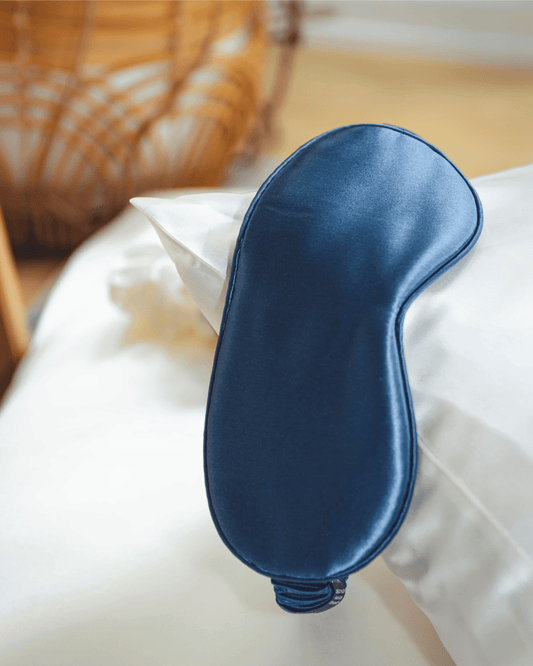
Therapists observe that familiar soft textures can ease anxiety, helping us feel less alone and more grounded during stressful times. “These objects provide stability in challenging times,” one therapist explains, noting how in a fast-paced, disposable world, a simple, safe tactile presence becomes profoundly soothing. In other words, the gentle touch that once helped us sleep now helps us cope. We may not need a security blanket anymore, but given the chance – be it a luxe silk eye mask or a favourite cashmere jumper – we still love to wrap ourselves in comfort. On a subconscious level, we’re affirming what attachment theory has said all along: softness and care go hand in hand with feeling secure.
The Neuroscience of Gentle Touch: How Softness Calms the Brain
Soft, high-quality materials don’t just symbolise comfort – they can actively calm the mind and body. The sensation of softness engages our sense of touch in a way that directly affects the nervous system. Modern research shows that soft touch can influence our mood and biology through multiple pathways:
-
Activating calming nerve fibers: Our skin contains special sensory nerves called C-tactile afferents that respond optimally to gentle, slow touch. When you run your fingers lightly over a soft fabric or receive a tender caress, these unmyelinated fibers fire signals to the brain that register as pleasant touch. Studies find that stroking the skin at an optimal speed (around 3–10 cm/s) – akin to the pace of gentle grooming – consistently elicits feelings of comfort and pleasure. In fact, this kind of affective touch activates brain regions like the insula, which processes emotion, rather than just the “touch and pressure” areas. The result is a cascade of signals that tells the body it’s safe. Scientists have observed, for example, that slow, gentle caresses can trigger the parasympathetic nervous system (our “rest and digest” mode), slowing the heart rate and fostering a calm state. In essence, softness speaks the biological language of safety.
-
Releasing “feel-good” chemicals: Touch doesn’t only travel through nerves; it also travels through our bloodstream in the form of hormones and neurotransmitters. Simply touching something soft and smooth has been shown to prompt the release of serotonin and oxytocin – neurochemicals associated with trust, bonding, and tranquility. Oxytocin, often nicknamed the “cuddle hormone,” is the same chemical that surges during hugs and mother-infant bonding, generating feelings of warmth and affection. Serotonin, meanwhile, stabilises mood and contributes to happiness. Together, these substances act like nature’s anti-anxiety elixir, telling our brain that we are cared for and can relax. Notably, therapeutic touch and massage have measurable effects on our biochemistry: levels of cortisol (the stress hormone) drop, while serotonin and even dopamine (another pleasure chemical) rise significantly after sustained gentle touch (Field et al., 2005). This biochemical shift helps explain why a soft massage or a warm cuddle melts away tension – our bodies are literally flooding with calming and uplifting agents.
- Reducing sensory stressors: Soft, breathable materials like fine cotton, linen, or silk tend to reduce the sensory irritations that can aggravate our stress responses. Think of the relief of slipping into a bed made with high thread-count cotton sheets, or the instinctive sigh when you touch a silky lining. Such soothing textures cue the brain to switch from a vigilant, anxious state into a calmer mode. Importantly, they do so partly by removing sources of discomfort – scratchy, rough textures can keep our nervous system on edge, whereas smooth softness sends a “you’re safe” signal that we often feel as an almost immediate relief. It’s no coincidence that therapies for anxiety often involve tactile elements: for example, weighted blankets – with their gentle pressure and soft weight – have been found to significantly reduce anxiety in patients, likely by providing a sensation akin to a comforting hug. That deep-touch pressure stimulation soothes the nervous system and lowers arousal. Likewise, one study reported that people who used silk and cotton fabrics actually experienced lower stress levels compared to those using rough, synthetic fabrics (Chen et al., 2020). In other words, choosing softer materials in our environment can tangibly help manage stress and improve emotional well-being.
All these pathways point to one truth: soft touch signals the brain and body to relax. Neuroscience is increasingly validating what our senses have always told us. When we envelop ourselves in comfort, our physiology follows suit. Heart rate and blood pressure ease down, stress hormones recede, and “happy hormones” begin to flow. In scientific terms, gentle touch engages the parasympathetic “rest and restore” response, essentially flipping the switch from fight-or-flight to peace-and-calm (Walker, 2025). It’s as if the softness around us can whisper directly to our ancient brain: “You’re safe now. You can let your guard down.” Little wonder that wrapping yourself in a silken robe after a hard day feels like an emotional exhale. Softness, quite literally, invites us to breathe easier.
Soft Fabrics, Emotions, and Self-Worth
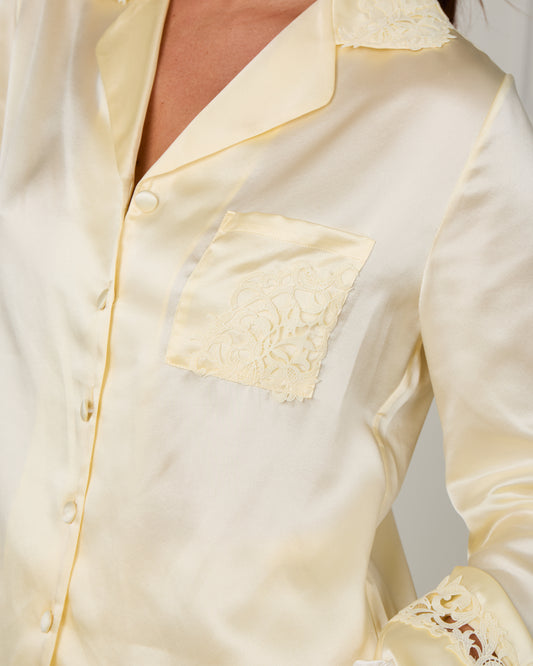
Beyond the immediate physiological calm, there’s a deeper psychological dimension to surrounding ourselves with softness. In a world of fast fashion and constant noise, opting for quietly luxurious materials – the kind that whisper quality rather than shout with logos – is a personal statement of self-care. High-end fabrics like silk or cashmere often become extensions of how we see ourselves and how we treat ourselves. When you drape a creamy silk blouse over your skin or sink into a plush velvet armchair, you’re not just indulging your sense of touch; in a subtle way, you’re affirming your worth.
Psychologists recognize a phenomenon called “enclothed cognition,” which is the idea that what we wear (or surround ourselves with) can shape how we feel and even how we behave. If you consciously choose garments and textures that make you feel elegant, comforted, and authentic, you can literally reinforce your confidence and soothe your psyche (Adam & Galinsky, 2012).
In this light, a beautifully soft piece of clothing becomes a form of self-care – an embodiment of the message that you deserve gentleness. Crucially, the luxury here isn’t about flaunting status to others; it’s about your relationship with yourself. Research in consumer psychology has found that owning or wearing something luxurious can create a genuine inner sense of prestige and boost self-esteem, not because of the price tag, but because it aligns with one’s personal values and sense of identity. Think of the woman who buys herself an exquisitely soft silk scarf – not to show off, but because each time that silk touches her skin, it reminds her to feel cherished and confident.
There’s something quietly empowering about that choice. In a society that often equates worth with productivity or toughness, choosing softness is a way of saying “I value myself enough to seek comfort and beauty.” By creating a sensory sanctuary – whether it’s wrapping up in a cashmere sweater or decorating your space with soft fabrics and gentle lighting – you send yourself a signal of care. That signal can steady you internally.
As one design writer noted about interiors: investing in quality that comforts you is a statement that “I value myself enough to create a space I love.” This kind of quiet self-respect can elevate your confidence and even your mood on a daily basis. In short, surrounding yourself with softness is not frivolous – it’s affirming. It’s a way to align your environment with an inner intention: to feel soothed, supported, and genuinely at home with yourself.
Softness as Strength: The Gentle Armour
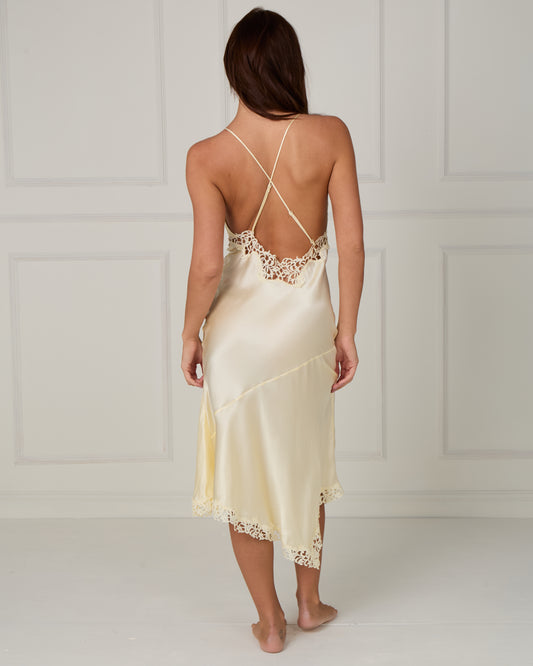
In a culture that often confuses strength with hardness, embracing softness can be a profound form of resilience. Softness is a form of strength – a quiet power that comes from comfort and calm. Consider how a soft approach can diffuse tension in ways brute force cannot. The gentle hand on a shoulder in a moment of panic can steady the heart more effectively than any stern command. Likewise, to surround oneself with softness – a silky dress, a plush throw, a mellow candlelit ambiance – is to create a sanctuary of peace from which you can face the world recharged.
It is, in effect, emotional armour of the most graceful kind. While a suit of steel armour defends by shutting the world out, a soft armour defends by nourishing the self within. When you feel nurtured and secure, you can venture out with greater poise. By staying soft, we conserve our energy for what truly matters, rather than spending it on constant defense.
Indeed, psychologists suggest that vulnerability and gentleness are not weaknesses to overcome but qualities to harness. There is courage in caring for oneself in a gentle way – in taking that “soft moment” each morning to wrap your hands around a warm mug, or in wearing the cosy cashmere on a day you anticipate being tough, giving yourself that hug of reassurance. These small choices fortify us with emotional stability and a sense of self that is not easily rattled. As writer Najwa Zebian beautifully put it, “Softness is not weakness. It takes courage to stay delicate in a world this cruel.” In other words, softness doesn’t mean surrendering to fragility; softness steadies us. One thinker noted, “softness doesn’t surrender; it steadies,” offering a resilient flexibility where rigidness would break. Consider the willow tree that bends in the storm and survives, versus the rigid oak that might crack – the pliant strength of the willow lies in its very softness.
Brands in the wellness and luxury space have begun to recognise this philosophy. For example, the UK-based silk atelier Liu&Liu describes its guiding ethos in simple terms: “softness is a form of strength.” This isn’t just a slogan, but a design philosophy that sees gentle fabrics as empowering, like an elegant armour for the spirit. The idea is that by embracing the soft – literally and metaphorically – we equip ourselves to handle life’s rough edges with more grace. It’s a quiet revolution against the notion that we must be hard to be powerful. On the contrary, there is power in tenderness. When we feel safe and true to ourselves, we become stronger. A centered person wrapped in comfort can absorb life’s bumps with greater poise than one perpetually clad in discomfort or defensiveness. In the delicate balance of life, softness can disarm stress and anxiety more effectively than steel armour ever could.
Conclusion: In the Gentle Embrace of Mood and Material
Ultimately, the reason soft touch changes our mood comes down to an intimate dialogue between our senses and our soul. The touch of silk against the skin can lull an anxious mind, and the familiar weight of a soft duvet can make us feel protected on the loneliest night. In these quiet moments of softness, there is a resonance with our deepest human needs – for comfort, for safety, for a sense of being valued and seen. Softness triggers biological responses that say “calm down, you are safe,” but it also triggers something emotional and poetic in us: a feeling of coming home to ourselves.
As you go about your day, consider the role of touch in your emotional life. Maybe it’s the morning routine of savouring a warm cup of tea, hands cradling a smooth ceramic mug. Maybe it’s the simple pleasure of changing into a favourite soft T-shirt after a long workday, or sinking into a cosy sofa with a plush blanket. These are small acts, easily overlooked, yet they have the power to shift our nervous system and our mood. They remind us that we are human beings with senses and feelings, not just minds rushing from task to task. Each gentle texture is an invitation to pause, to breathe, to reconnect with the present moment in a soothing way.
In a world that often feels harsh and hurried, allow yourself these tender reprieves. Wrap yourself in softness – literally, with fabrics that comfort you, and figuratively, with habits that nurture you. Feel the subtle strength it gives. It’s not vanity; it’s validation – the good kind, the kind that comes from within. By embracing the soft, you’re telling yourself that you deserve kindness and peace. In that simple act, you are armouring yourself in care.
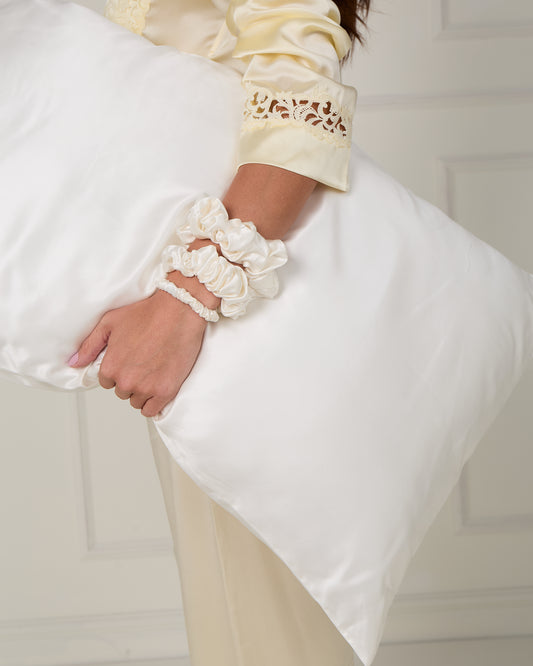
So the next time you run your hand along a piece of fine fabric or rest your head on a silky pillow, remember that this is more than a sensory indulgence. It is a dialogue with your nervous system and your heart. It is your body’s way of finding calm. Softness, in all its gentle glory, is there to steady you. And in that softness – in that moment of quiet comfort – there is strength. There is healing. There is home.
FAQ
How does touch influence mood and emotions?
Touch directly communicates with the nervous system. Gentle, slow tactile stimulation activates calming neural pathways that reduce stress and promote emotional regulation, helping the body shift from alertness into rest.
Why do soft fabrics feel emotionally comforting?
Soft materials stimulate sensory nerve fibres in the skin that signal safety to the brain. This response mirrors early attachment experiences, where gentle touch was associated with care, warmth and protection.
Is there scientific evidence that softness reduces stress?
Yes. Studies in neuroscience and psychology show that soft, pleasant touch lowers cortisol levels while increasing oxytocin and serotonin, hormones linked to calm, trust and emotional stability.
Why does silk feel different from synthetic fabrics?
Silk is smooth, breathable and thermoregulating, reducing sensory irritation. This minimises subconscious stress signals sent from the skin to the brain, allowing the nervous system to relax more easily.
Can touch really affect the nervous system?
Absolutely. Gentle touch activates the parasympathetic nervous system—the body’s “rest and restore” mode—slowing heart rate, easing muscle tension and promoting emotional balance.
Is seeking softness a sign of emotional weakness?
No. Neuroscience suggests the opposite. Softness supports emotional resilience by helping the nervous system self-regulate. Feeling safe and soothed allows the mind to respond more clearly and steadily to challenges.
Why does softness feel especially important in stressful urban life?
Fast-paced environments keep the nervous system in a state of alert. Soft textures provide sensory contrast, offering moments of calm that help counterbalance overstimulation and mental fatigue.
How does quiet luxury relate to emotional wellbeing?
Quiet luxury prioritises sensory comfort, craftsmanship and personal experience over visual status. This inward focus supports emotional grounding and a deeper sense of self-worth.
Can everyday rituals involving touch improve wellbeing?
Yes. Simple rituals—sleeping on silk, wearing soft garments at home, or resting against gentle textures—can reinforce calm neural patterns and improve emotional regulation over time.
How does Liu&Liu approach softness differently?
Liu&Liu treats softness not as decoration, but as function: a deliberate design choice that supports the body–brain connection. Each piece is crafted to feel calming, protective and quietly empowering.
References
- Adam, H. & Galinsky, A.D. (2012). Enclothed cognition. Journal of Experimental Social Psychology, 48(4), 918-925.
- Chen, F., Zhang, L., Liu, Y. & Zhou, Z. (2020). Effect of Fabric Texture on Psychological Stress: Silk & Cotton vs. Synthetic. Journal of Sensory Studies, 35(3), e12587 (rjpn.org).
- Field, T., Hernandez-Reif, M., Diego, M. et al. (2005). Cortisol decreases and serotonin and dopamine increase following massage therapy. International Journal of Neuroscience, 115(10), 1397-1413 (pubmed.ncbi.nlm.nih.gov.)
- Gifford, B.E. (2022). All Snuggled Up: Adults and Childhood Teddies. Happiful Magazine (liuandliu.com).
- Harlow, H. (1958). The nature of love. American Psychologist, 13(12), 673-685 (liuandliu.com).
- Van Puyvelde, M. et al. (2019). Skin-to-skin contact and vagal regulation in newborns. Developmental Psychobiology, 61(5), 679-690 (sciencedirect.com).
- Walker, N. (2025). The Science of Softness: Why Gentleness Is a Form of Strength. Medium (liuandliu.com).
- Liu&Liu (2025). Why Do Luxurious Materials Make Us Feel Safe? — On Identity, Anxiety, and the Psychology of Softness. (liuandliu.comliuandliu.com).