
Why Do Luxurious Materials Make Us Feel Safe? — On Identity, Anxiety, and the Psychology of Softness
Introduction: The Embrace of Softness
Imagine draping a silk shawl around your shoulders on a chilly evening. The fabric glides over your skin with a gentle weight, and in that moment, you feel an inexplicable sense of calm. It’s as if the softness itself is whispering that you are protected, that you can exhale. For many high-end, aesthetic-conscious women, these moments are more than indulgence — they’re little rituals of reassurance.
Luxurious materials like silk, cashmere, or fine velvet provide physical comfort, yes, but they also seem to wrap us in an emotional cocoon. Why do such sumptuous textures make us feel safe?
The answer lies deep in our psychology, touching on how we form our identities, cope with anxiety, and draw strength from gentleness.
In exploring this, we find that tactile softness is not a weakness at all, but a kind of elegant armour for the spirit — a way to feel protected while remaining effortlessly elegant.
The First Embrace: Softness, Attachment, and Safety
Our affinity for softness begins in the earliest chapters of life. Developmental psychologists note that from infancy, warmth and gentle touch are intertwined with our sense of security. In a classic experiment, baby rhesus monkeys separated from their mothers clung desperately to a soft cloth “mother” for comfort — ignoring a wire surrogate that provided milk — and would rush to the cloth surrogate whenever they felt afraid¹. This finding struck at the heart of attachment theory: beyond food or shelter, it is tactile comfort and a feeling of warmth that forge our first bonds of safety.
Human children show a similar instinct. Many toddlers become inseparable from a particular cuddly blanket or teddy bear. These special “transitional objects” work precisely because they feel good — they’re soft, snuggly, and familiar, reminding the child of a parent’s embrace and signalling that everything will be OK².
In essence, a plush rabbit or well-worn blankie becomes a toddler’s first shield against life’s little anxieties, a portable piece of security and home.
What’s remarkable is how often this need for gentle reassurance carries through into adulthood. We may trade stuffed animals for silk pillows or oversized cashmere jumpers, but the principle remains.
In fact, a UK survey found that over one in five adults still hold onto a childhood teddy, and about 10% even sleep with a soft toy at night³. Far from being childish, psychologists say these comforts continue to serve a purpose: the familiar soft textures can ease anxiety, helping us feel less alone and more grounded during stressful moments³. “These objects provide stability in challenging times,” one therapist explains, noting how a fast-moving, disposable world makes a simple, safe tactile presence all the more soothing³.
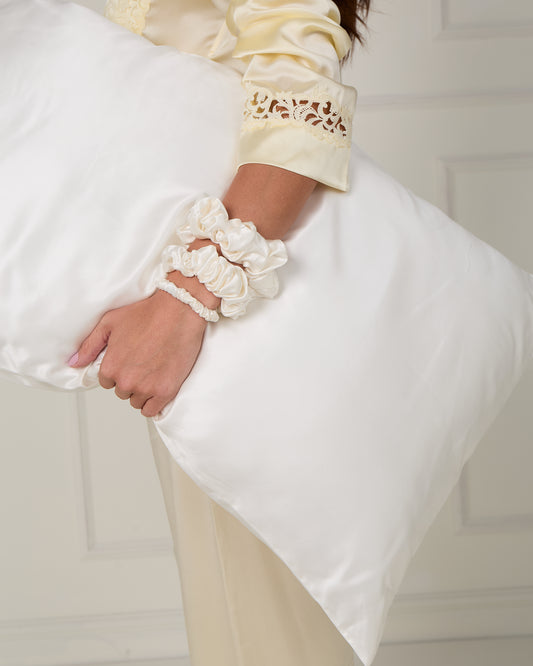
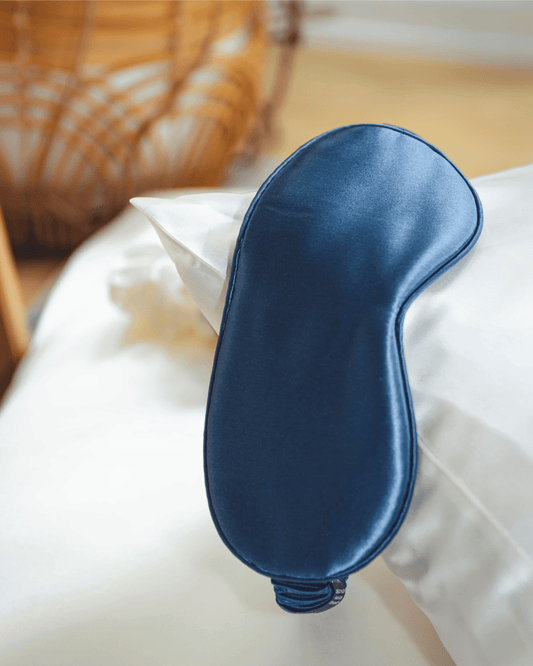
In other words, the gentle touch that once helped us sleep now helps us cope. We may not need a security blanket anymore, but given the chance — be it a luxe silk eye mask or a favourite throw — we still love to wrap ourselves in comfort.
On a subconscious level, we’re affirming what attachment theory has said all along: softness and care go hand in hand with feeling secure.
Calm in Every Touch: The Psychology of Softness and Anxiety
Soft, high-quality materials don’t just symbolise safety — they can actively calm the mind and body. The sensation of softness engages our sense of touch in a way that directly affects the nervous system.
Consider the immediate relief of slipping into a bed made with high thread-count cotton sheets or the way running your fingers over a smooth silk lining can make you sigh. Such experiences are not trivial; they have measurable psychological effects. Gentle touch and soothing textures cue the brain to switch from its vigilant, anxious states into a calmer mode.
In fact, fabrics like silk and fine cotton are known for their calming properties, reducing the kind of sensory irritations that can exacerbate stress and anxiety⁴. It’s no coincidence that therapies for anxiety often involve deep-pressure or tactile elements — think of weighted blankets giving the sensation of a hug, instantly easing a racing mind.
Softness, quite literally, signals us to relax.
Neuroscience increasingly supports what our senses already tell us. When we envelop ourselves in comfort, our brain chemistry follows suit. A beautifully crafted cashmere sweater or a plush velvet sofa doesn’t just please the eye; it sends a quiet message of safety to the body. The combination of luxurious texture and quality creates a sensory experience that can instantly calm the nervous system, as if telling your brain, “You’re safe. You’re cared for. You can relax here.”⁵.
In response, stress hormones recede and “happy hormones” begin to flow. Simply touching something soft and smooth has been shown to trigger the release of serotonin and oxytocin — the chemicals of trust and tranquility — deepening our sense of comfort⁵.
One might say softness speaks the biological language of safety. It’s a gentle cue to our ancient brain that we can let our guard down. Little wonder, then, that wrapping yourself in a silken robe after a hard day feels like an emotional exhale.
The softness is telling your nervous system what it has longed to hear: you are safe now.
Luxury, Identity, and Self-Worth: Wearing What We Deserve
Beyond the physiological relief, there’s a profound psychological reward in choosing soft, luxurious materials. It touches on our sense of identity and self-worth.
In a world of fast fashion and constant noise, opting for quiet luxury — the kind that whispers of quality rather than shouting with logos — is a deeply personal statement. It says: I don’t need to prove my worth. I live it.⁶.
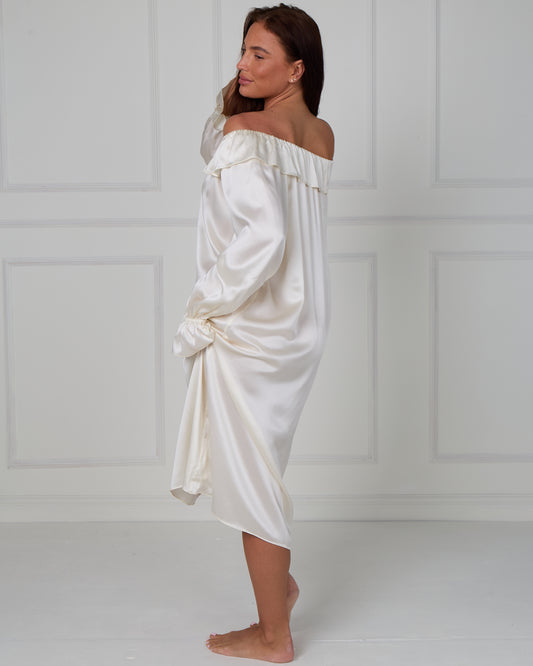
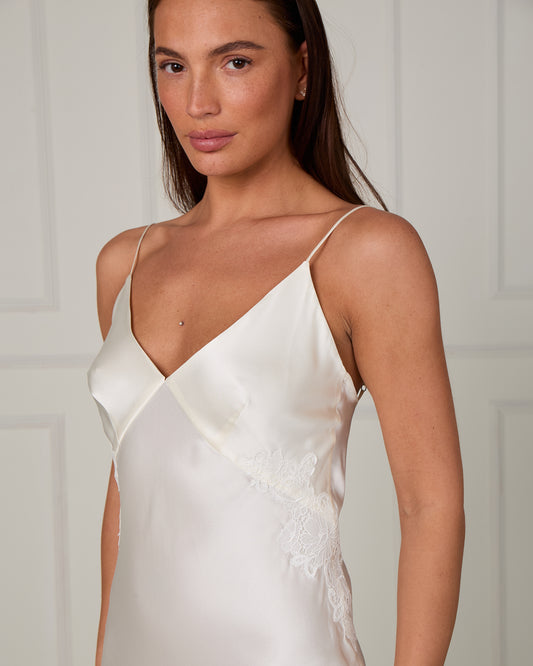
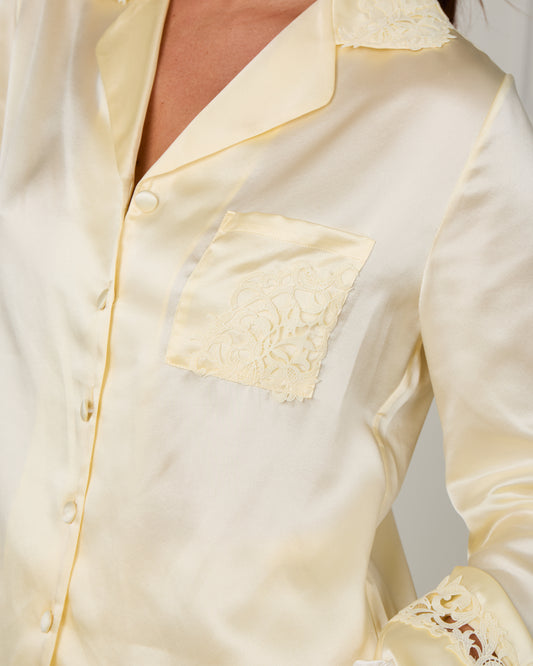
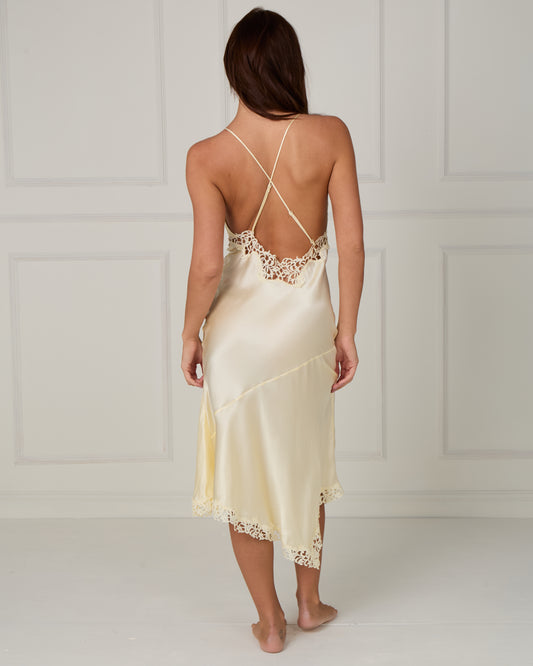
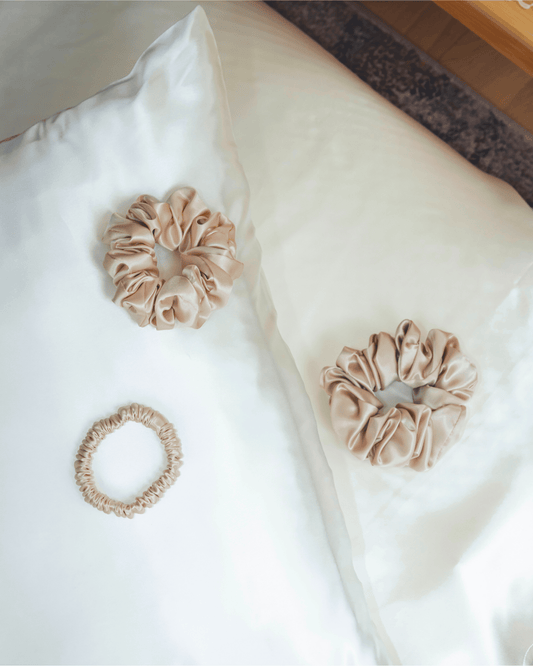
High-end materials like silk or cashmere often become extensions of how we see ourselves. When you drape a creamy silk blouse over your skin or slide into a coat lined with velvet, you’re not just dressing your body; in a subtle way, you’re affirming your value.
Psychologists recognize a phenomenon called “enclothed cognition,” which is the idea that what we wear can shape how we feel about ourselves. By consciously choosing garments that make us feel elegant, protected, and authentic, we can literally reinforce our confidence and soothe our psyche⁷.
In this light, a beautifully soft piece of clothing becomes a form of self-care — an embodiment of the message that you are worth it.
Crucially, the luxury here isn’t about flaunting status to others; it’s about the relationship with oneself. Research in consumer psychology has found that owning or wearing something luxurious can create a genuine sense of prestige internally and boost self-esteem⁸. Think of the woman who buys herself a pair of exquisitely soft, handcrafted shoes not to show off, but because each step in them reminds her of her own journey and achievements.
There’s something empowering about that choice. It’s akin to what one design writer noted about interiors: investing in quality that comforts you is a statement that “I value myself enough to create a space I love.” That quiet self-respect can seriously elevate your confidence and even your sense of identity. The same applies to our wardrobe. Choosing slow, well-crafted luxury over throwaway trends is choosing a style that aligns with and affirms who we are. It’s no surprise that the ethos of slow and quiet luxury has gained traction — emphasising patience, personal enjoyment, and timeless quality over flashiness.
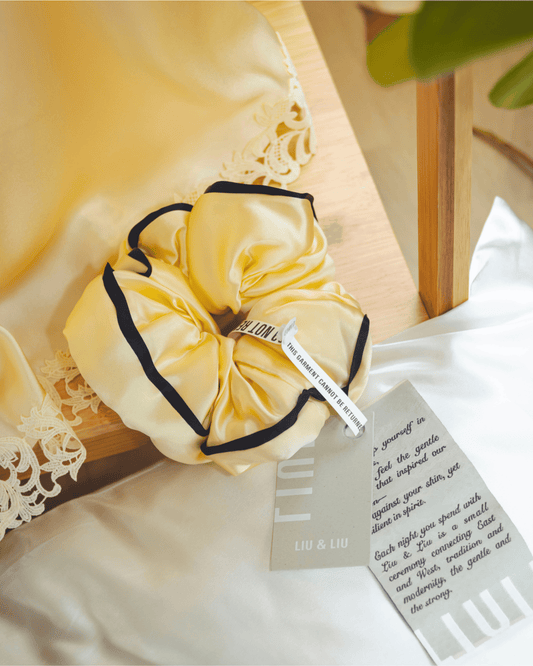
Brands like Liu&Liu champion this approach, crafting pieces that feel intimate and enduring. In their philosophy, softness is not indulgence for its own sake; it’s a form of strength, a way to quietly empower the wearer from within.
Softness as Strength: The Elegant Armour
In a culture that often equates strength with hardness, choosing softness can be a profound and deliberate form of resilience.
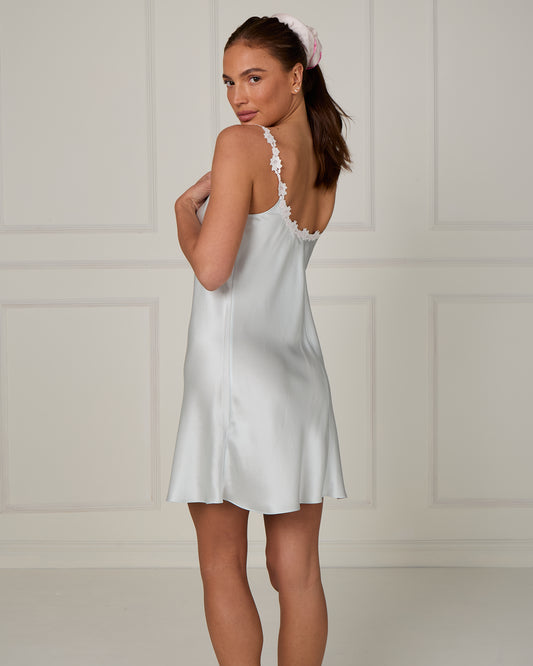
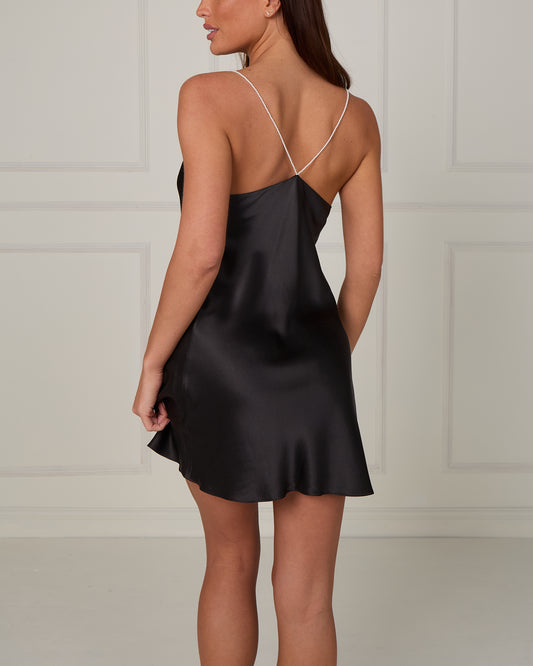
There is a quiet revolution (and revelation) in realising that gentle can be powerful. Softness, in truth, is a form of strength. It’s the steady hand when anger erupts, the calm voice amid chaos. Psychologically, to surround oneself with softness — be it a silky dress or a nurturing home ambience — is to create a sanctuary of peace from which you can face the world recharged. It’s emotional armour of the most graceful kind. While cold armour plate defends by shutting things out, soft armour defends by nourishing the self within. It allows us to venture forth feeling grounded and sure. As one thinker beautifully put it, “softness doesn’t surrender; it steadies”⁶. The pliant willow survives the storm where the rigid oak might crack. Likewise, a centered person wrapped in comfort can absorb life’s bumps with greater poise than one clad in discomfort or pretence.
Embracing softness as strength also means embracing vulnerability as something not to be feared but owned. There is courage in caring for oneself in a gentle way. It’s in the decision to wear the cosy cashmere on a day you dread, giving yourself that hug of reassurance. It’s in taking a “soft” moment each morning — savouring coffee from a favourite porcelain cup, feeling the warmth in your hands — to gather your thoughts. These choices might seem small, but they arm us with emotional stability and a sense of self that is not easily rattled.
In fact, they echo a quiet wisdom: when we feel safe and true to ourselves, we become stronger. By staying soft, we conserve our energy for what truly matters, rather than wasting it on constant defence. In the delicate balance of life, softness can disarm anxiety more effectively than steeliness.
Conclusion: In the Cocoon of Quiet Luxury
Ultimately, the reason luxurious materials make us feel safe comes down to the intimate dialogue between our senses and our soul.
The touch of silk against the skin can lull an anxious mind; the sight of a serene, well-crafted space can remind us of who we are. In these gentle luxuries, there is a resonance with our deepest needs — for comfort, for identity, for a refuge from the world’s abrasive edges.
The philosophy at the heart of Liu&Liu speaks directly to this truth: softness is a form of strength. In the quiet of a dimly lit room, wrapped in a cashmere throw, we feel it — strength in the calm, courage in the tender, a kind of poised security that asks for no validation.
As you run your hand along a piece of fine fabric or slip into a soft garment you love, consider that layered meaning. It’s not vanity; it’s validation — the good kind, the kind that comes from within. You are affirming that you deserve gentleness and peace. In that simple act, you’re armouring yourself in care and carrying a bit of calm wherever you go.
Soft is strong, quiet is luxurious, and the materials that comfort us become part of the story of how we learned to feel safe in our own skin. In the end, the softest touch can leave the deepest imprint: a lingering reminder that we are worthy of comfort, and that in this softness, we can find our strength and our sanctuary.
References
- McLeod, S. (2023). Harlow’s Rhesus Monkey Experiments. SimplyPsychology – Infant monkeys clung to soft cloth surrogates for comfort, using them as a safe base in frightening situations (simplypsychology.org).
- HealthyChildren.org (2019). Transitional Objects and Security Blankets – Soft, cuddly “lovey” objects help children feel comforted and safe, making them feel everything is going to be OK (healthychildren.org).
- Gifford, B. E. (2022). All Snuggled Up: Adults and Childhood Teddies. Happiful Magazine – Surveys found 21% of UK adults still own childhood teddies (nearly 1 in 10 sleep with one), using these familiar soft objects to reduce anxiety and loneliness in challenging times (happiful.comhappiful.com).
- Spoerl, D. (2025). The Fabric of Wellness: How Material Choices Impact Mental Health. Letty Sparrow – Soft, breathable materials like cotton, linen, and silk have calming properties, reducing sensory discomfort that can heighten stress or anxiety (lettysparrow.com).
- M., Sara (2025). The Psychology of Comfort: How Luxury Furniture Enhances Well-being. TabSelect – High-quality textures create a sensory experience that calms the nervous system, a tactile cue telling your brain “you’re safe, you’re cared for” (tabselect.com). Simply touching something soft and smooth can trigger serotonin and oxytocin release, making the body feel safe and nourished (tabselect.com).
- Walker, N. (2025). The Science of Softness: Why Gentleness Is a Form of Strength. Medium – Softness engages the parasympathetic “rest and repair” response, essentially acting as the biological language of safety (medium.com). Embracing gentleness is not weakness: “softness doesn’t surrender; it steadies,” offering resilience where harshness would break (medium.com).
- SipLift (2025). Quiet Luxury: Why Elevating the Everyday Defines True Success – Quiet luxury is a mindset of subtle refinement. It’s about owning one’s worth without needing to prove it: “I don’t need to prove my worth. I live it.” This inner confidence fosters calm and self-assurance (siplift.comsiplift.com).
- Mayfair Therapy (2024). The Psychology of Luxury: Understanding Our Relationship with High-End Goods – Luxury items can provide emotional satisfaction and boost self-esteem by creating feelings of prestige and accomplishment (mayfairtherapy.clinic). They often serve as extensions of identity, allowing personal values and aspirations to be expressed (mayfairtherapy.clinic).
- Literally, Darling (2025). How Clothes Became My Self-Worth Armor – Psychologists recognise “enclothed cognition,” meaning our attire can alter our mindset. Wearing garments associated with positive traits or comfort can improve confidence and even serve as a therapeutic tool for anxiety and self-image (literallydarling.com).