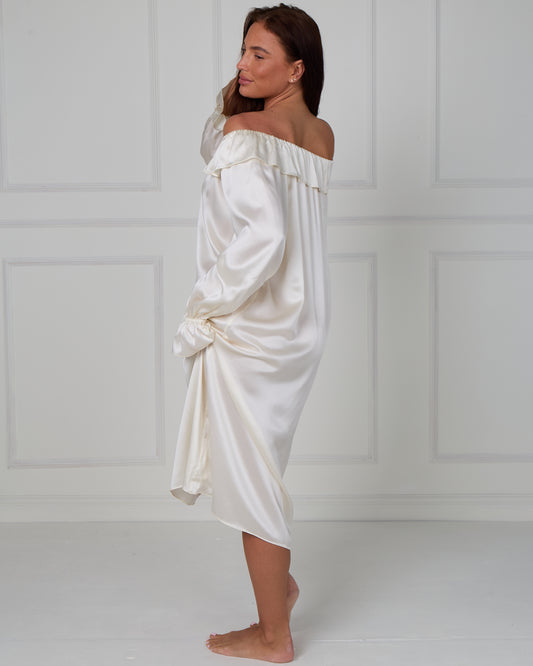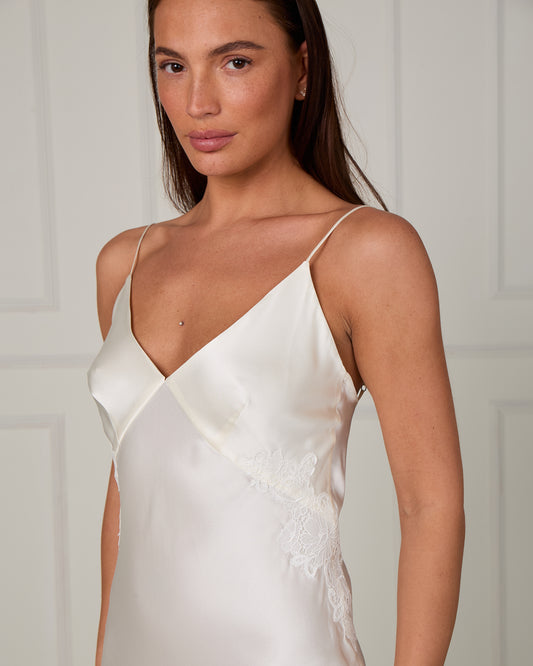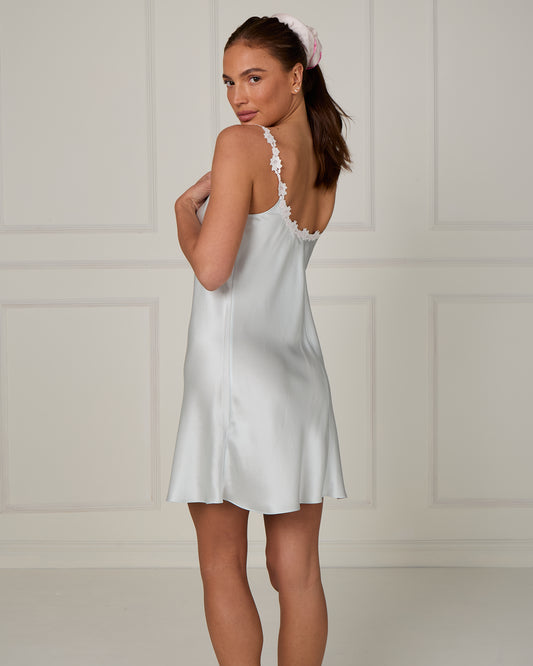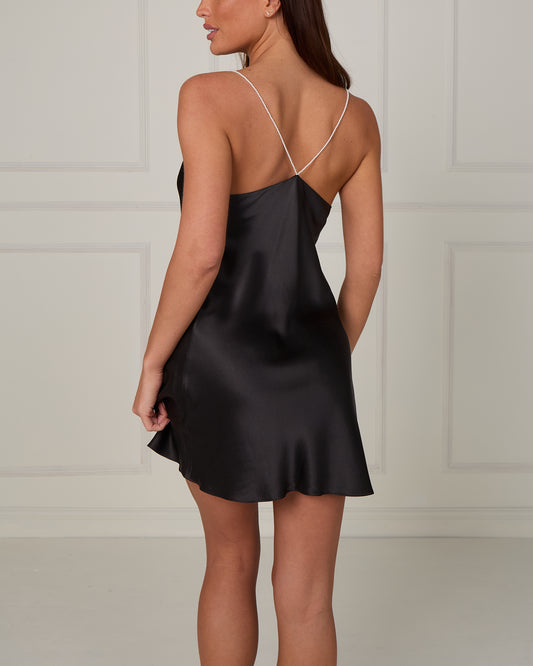

Sustainable Silk from Suzhou: Zero-Waste, No Microplastics
Introduction
In an era of conscious consumerism, luxury textiles like silk must prove they can be produced responsibly. Our sustainably and ethically farmed silk is not only exquisitely luxurious but also gentle on the planet. We achieve this by minimizing environmental impact and upholding ethical practices throughout the silk’s journey from farm to fabric. Below, we explain how our approach to silk farming makes it a truly sustainable and eco-friendly choice.
Natural, Biodegradable Fiber with No Microplastics
Silk is a 100% natural protein fiber produced by silkworms, which means it is biodegradable and breaks down cleanly at the end of its life. Unlike synthetic fabrics (which shed polluting microplastic fibers), pure silk leaves no harmful residues in the environment as it decomposes. This makes silk an inherently eco-friendly material. Choosing silk helps reduce long-term waste, since old silk products can biodegrade or even be composted instead of adding to landfill pollution.

Sustainable Farming Practices and Zero-Waste Production
Our silk is produced through sustainable farming practices that treat the environment with care. Mulberry trees (the sole food for silkworms) are cultivated without harsh pesticides or fertilizers, preserving soil health and local biodiversity. In fact, many organic or “peace silk” farms use natural, non-toxic methods and sustainable mulberry cultivation, avoiding the harmful chemicals often used in conventional textile production. This means cleaner water and healthier ecosystems around our farms.

Equally important, our sericulture (silk farming) follows a circular, zero-waste model. Every element of the process is utilized to prevent waste. For example, mulberry trees grown to feed silkworms also yield fruit for local communities, and any leftover leaves or branches become feed for livestock or natural fertilizer for crops.

Even the silkworm pupae (usually a by-product of silk reeling) are not discarded – they are used as a sustainable source of protein for people or animals instead of going to waste. By ensuring that nothing is thrown away, we drastically reduce the environmental footprint of our silk product. This holistic approach aligns with the Food and Agriculture Organization’s model of agroecology, where sericulture is highlighted as a sustainable agricultural system with no waste.

Another benefit of our small-scale, community-based silk farms is lower energy usage. Traditional industrial silk factories often consume large amounts of energy for climate control (maintaining precise temperature and humidity for the silkworms). In contrast, our silk is farmed in natural open-air conditions, avoiding the heavy carbon emissions associated with large-scale, mechanized production. We prioritize natural processes and local know-how, which means a lighter impact on the planet.
Lower Water and Carbon Footprint
Sustainably farmed silk can have a remarkably low resource footprint. Our mulberry trees largely rely on rainwater and local rainfall patterns, rather than intensive irrigation. In the regions where our silk is produced, ample annual rainfall means mulberry cultivation doesn’t drain freshwater resources – the trees are watered naturally by rain, not by diverting rivers or pumping groundwater.

This contrasts with crops like conventional cotton, which require enormous quantities of irrigation water and cause significant water pollution from chemical runoff.
Moreover, our silk production generates far fewer greenhouse gas emissions compared to many other fabrics. One analysis found that silk farming can emit up to 800 times less carbon dioxide than cotton production per equivalent weight of fabric. This dramatic difference is due to silk’s efficient natural processes and the absence of energy-intensive farm machinery or synthetic inputs in our methods. By using renewable resources and manual farming techniques, we cut down on fossil fuel use.
The result is a lower carbon footprint for each silk garment we produce. In short, when you choose our silk, you’re choosing a fabric with a minimal impact on land, water, and air – truly a climate-conscious choice.
Ethical Treatment of Silkworms and Fair Labor Practices
Ethical farming isn’t just about the environment – it’s also about how we treat living creatures and communities. Conventional silk production often involves boiling silkworms alive in their cocoons, sacrificing roughly 3,000 silkworms for just one yard of silk. This traditional method raises serious animal welfare concerns. By contrast, our silk is produced with a more humane approach.
We embrace principles of Ahimsa (non-violence) wherever possible, allowing silkworms to complete their natural life cycle and emerge as moths before we harvest the silk. This “peace silk” method avoids needless harm to the silkworms, making our process more compassionate and cruelty-free. The resulting silk fibers are still high quality, and we believe this gentle technique is aligned with our ethical values.

In addition, fair labor and community empowerment are core to our mission. Silk farming (sericulture) is a labor-intensive, rural occupation, and we ensure that our partner farms provide safe working conditions and fair wages for farmers. Supporting sustainable silk means supporting the livelihoods of farming families in silk-producing regions. (For instance, in one region of India over 65,000 families across 17,000 villages earn a living through sericulture – a testament to silk farming’s potential to alleviate rural poverty.)
Our own operations contribute to local employment and skills development, especially empowering women who form a major part of the silk workforce. By choosing ethically farmed silk, you are helping sustain traditional craftsmanship and rural communities.

We take pride in preserving this heritage while uplifting those who produce our silk, ensuring that our product is not only eco-friendly but socially responsible as well.
Guaranteed Authenticity and Quality
Finally, we guarantee that our silk is authentic and of the highest quality. Each batch of our sustainably farmed silk is backed by official certification to verify its purity and origin. While we are in the process of obtaining international eco-textile certifications, we already hold a recognized Chinese certificate that ensures the authenticity of our silk. This means our silk is genuine mulberry silk – not synthetic imposters – and it meets strict standards for quality and integrity.


Transparency is key to sustainability, so we want you to know exactly what you’re getting. From farm to finished fabric, our supply chain is traceable and trustworthy. You can feel confident that every product we offer is made from real, ethically produced silk that lives up to our environmental claims.
In summary, our ethically farmed silk proves that luxury can go hand-in-hand with sustainability. This fabric is naturally biodegradable, produced with zero waste, and requires minimal water and energy compared to conventional textiles. It’s free of harmful chemicals and leaves no microplastic pollution. Our humane and fair farming practices further ensure that both the silkworms and the farming communities are treated with respect.

The result is a silk that you can truly feel good about – indulgent in quality, yet gentle on the Earth. By choosing our sustainable silk products, you are supporting eco-friendly fashion and taking part in a movement towards a more ethical and environmentally conscious future. Together, we weave a story of luxury that cares for the planet and its people.
FAQ: Sustainable Mulberry Silk & Responsible Production
Is mulberry silk a sustainable material?
Yes. Mulberry silk is a natural, renewable fibre. The trees grow with low water use, no synthetic fertilizers, and minimal land impact. The fibre is fully biodegradable and returns to nature without pollution.
How is mulberry silk more eco-friendly than synthetic fabrics?
Synthetic fabrics come from petroleum. They shed microplastics, require high-energy production, and never fully break down. Mulberry silk is natural, breathable, compostable, and created using far less energy.
Does Liu&Liu work with ethical silk farms?
Yes. We work with small, long-standing mulberry farms that follow traditional craftsmanship and responsible care for workers. These farms use clean water, controlled feeding, and low-impact methods.
Is silk production harmful to the environment?
Not when it is done traditionally. Mulberry trees absorb CO₂, stabilize soil, and grow back each year. Responsible sericulture uses slow, careful processes that avoid heavy chemicals and respect the life cycle of the silkworm.
Is your silk free from harmful chemicals?
Yes. Our silk is produced without harsh bleaching, plastic coatings, or heavy finishes. We work with suppliers who follow safe dyeing and washing standards to keep the fibre pure and gentle on skin.
Does silk require a lot of water or resources?
No. Mulberry trees are efficient, low-water plants. They thrive in temperate climates and need fewer resources than cotton or bamboo. The production process is slow but low-impact.
Is mulberry silk biodegradable?
Yes. Silk is a protein fibre. It decomposes naturally within months to a few years under the right conditions. It does not release toxins or microplastics into the environment.
How long does mulberry silk last?
Silk can last for many years when cared for gently. Its durability reduces the need for replacement, which lowers environmental impact over time. Buying once and using longer is a core principle of sustainability.
Is silk suitable for people with sensitive skin or allergies?
Yes. Silk is naturally hypoallergenic. It resists dust mites and holds less moisture than cotton. This creates a cleaner sleep environment for people with allergies or sensitive skin.
What makes Liu&Liu’s approach different?
We focus on slow luxury. We choose natural fibres, small-batch production, and responsible farming partners. We avoid mass-produced synthetics. We design pieces meant to last, not to be replaced.
Keywords: sustainable silk, ethically farmed silk, eco-friendly silk, sustainable fashion, organic silk, peace silk, biodegradable fabric, ethical sericulture, eco-friendly textiles, sustainable luxury.
References
- Food and Agriculture Organization. (2017). Sericulture and silk production: Ecological and economic perspectives. FAO.
- Institute of Environmental Sciences, Leiden University. (2018). Life cycle assessment of natural silk fibres: Environmental impacts and biodegradability. Leiden University Press.
- Karbalaei, S., Hanachi, P., Walker, T. R., & Cole, M. (2018). Occurrence, sources, human health impacts and mitigation of microplastic pollution. Environmental Science & Technology, 52(12), 10459–10469.
- Lee, S., & Shimizu, Y. (2020). Comparative thermal comfort properties of natural protein fibres: Silk, wool, and regenerated fibres. Journal of Textile Science & Engineering, 10(3), 1–8.
- Majumdar, A., Singh, P., & Ghosh, A. (2019). Biodegradability of natural textile fibres and environmental impact. Textile Research Journal, 89(12), 2374–2386.
- Muthu, S. S. (Ed.). (2014). Assessing the environmental impact of textiles and the clothing supply chain. Woodhead Publishing.
- Padam, B. S., & Hazarika, A. (2016). Sustainable sericulture: A review on organic mulberry cultivation and eco-friendly cocoon production. International Journal of Environment, Agriculture and Biotechnology, 1(3), 537–542.
- Tsukada, M., Freddi, G., & Monti, P. (2016). Silk fibroin as an eco-friendly material: Degradability, regeneration, and environmental safety. Polymer Degradation and Stability, 133, 175–184.
- Zhang, Y., Chen, H., & Liu, X. (2019). Environmental performance of mulberry silk production: Energy, water, and land-use efficiency. Sustainability, 11(15), 4126.