
Natural Silk vs Polyester — Skin & Hair Science Explained
Introduction
When it comes to beauty sleep, the pillowcase fabric you use can make a surprisingly big impact. Dermatologists note that the material your skin and hair rest on for hours each night can either protect or harm your complexion and locks. In fact, certain fabrics can accelerate fine lines, irritation and even breakouts over time (Hanson, 2025).
The debate often centres on silk vs polyester – two common bedding materials with very different properties. This article dives into the science of how silk and polyester affect skin and hair health, explaining key factors like friction, moisture, breathability and static. By understanding these differences, you can make an informed choice for healthier skin and smoother hair. (Spoiler: not all “silky” fabrics are equal, and your skin knows the truth.)
Friction: Fabric Texture & Skin Creases
One major difference between silk and polyester lies in friction – how much the fabric glides vs. tugs against skin and hair.
Low friction is crucial for preventing mechanical damage. Silk fibres have an ultra-smooth surface, allowing your face and hair to slide freely instead of catching or pulling. This gentle glide reduces the tugging that leads to sleep lines and wrinkles on your skin. It also means less snagging on hair strands, so you wake with fewer tangles and frizz. As one report notes, silk’s smooth texture “reduces mechanical damage to both skin and hair,” helping prevent wrinkles and split ends (Patra, 2025).
By contrast, polyester (especially in regular weaves) tends to have a rougher or more static-prone texture. Even when woven into “satin” to mimic silk, synthetic fibres don’t fully replicate silk’s natural slip. Polyester pillowcases can still create more friction and static against your hair, which can contribute to frizz and breakage over time. In fact, polyester is known to be non-breathable and prone to static, often causing strands to cling or snag (Belledorm, 2024). If you’ve ever woken up with sleep creases on your face or crazy bedhead, your pillow’s fabric friction is likely a culprit.
Bottom line: Silk offers a frictionless nightly surface, minimising skin creasing and hair damage, whereas polyester’s higher friction can lead to fine lines and frazzled hair over the long run.
Moisture Retention: Hydration vs. Drying Out
Another critical difference is how each fabric handles moisture – both your skin’s natural oils and any sweat or humidity.
Silk is far less absorbent than many other fabrics, meaning it doesn’t rob your skin and hair of moisture overnight. In fact, silk can absorb up to 30% of its weight in moisture without feeling damp, helping to regulate humidity and keep your skin hydrated (ElleSilk, 2025). This moisture-balancing property ensures that sleeping on silk won’t strip away your face’s natural oils or your night creams. Your skin stays more supple and moisturised by morning, and your hair retains its natural oils for healthy shine (Sacra-Paden, 2020). It’s no wonder experts say “silk pillowcases aid in hydration” and can even boost the benefits of your nighttime moisturiser (VanHoose, 2020).
Polyester, on the other hand, is a hydrophobic synthetic – it repels water and doesn’t absorb moisture. While that might sound like it would keep skin hydrated, in practice polyester often does the opposite. Because it cannot absorb humidity, sweat and oils remain on your skin’s surface, creating a damp micro-environment. This can leave you waking up feeling clammy, and it may worsen oily or acne-prone skin by not wicking away perspiration. A dermatology blog explains that cotton and other absorbent fabrics (including polyester blends) will soak up oils and skincare products, which can irritate acne and dry out your skin (Sacra-Paden, 2020). Meanwhile, satin-weave polyester is slightly less absorbent than cotton, but it can still draw some moisture or product away from your face (especially if blended with rayon or other fibres). The result? Polyester pillowcases may leave your skin dehydrated and your hair feeling dry or brittle by morning.
In short, silk helps skin retain moisture and keeps hair naturally conditioned, whereas polyester can either suck away oils or leave you sweating – neither of which is ideal for a glowing complexion. For those with dry or sensitive skin, the difference is especially pronounced: silk’s non-absorbency keeps your skin’s moisture where it belongs, while polyester might disrupt your skin’s delicate hydration balance.
Breathability: Staying Cool and Comfortable
Have you ever flipped your pillow to the “cool side” in the middle of the night? The breathability of your pillowcase fabric determines how cool or stuffy it feels.
Silk is a highly breathable natural fibre, which means it allows air to circulate and doesn’t trap heat. Silk pillowcases tend to feel cool to the touch and comfortably thermoregulate – they release excess heat and wick moisture when you’re warm, yet also insulate gently when you’re cold. This makes silk ideal for hot sleepers or warm climates, as it helps prevent the build-up of sweat. In fact, mulberry silk’s air permeability and moisture-wicking nature are so effective that many people find silk bedding stays cool and dry throughout the night (Patra, 2025).
Polyester fabrics are far less breathable. Being synthetic, polyester has a tighter weave structure (or if knit, it forms a film-like barrier) that can trap heat and humidity against your skin. One source bluntly notes that polyester is “non-breathable,” often causing sleepers to overheat (Faros Linen, 2023). If you’ve slept on cheap satin or microfiber and woken up sweaty, you’ve experienced this. Polyester pillowcases tend to retain body heat, creating a warmer sleep environment. This can lead to excess perspiration, which in turn might irritate your skin or scalp. The clingy feel of polyester in humid conditions is a common complaint – it lacks the natural temperature-regulating ability of silk.
In summary, silk breathes and adapts to your body, helping you stay comfortably cool and dry, whereas polyester can feel stifling, leading to sweat and discomfort. For anyone dealing with night sweats or hot flashes, the superior breathability of silk is a game changer. As a bonus, better breathability means better sleep quality, which also benefits your skin’s overnight repair cycle (Hanson, 2025).
Static & Frizz: Calm Strands vs. Flyaways
If you’ve ever pulled a synthetic shirt over your head in winter, you know synthetic fabrics and static electricity go hand in hand. The same applies on a pillowcase.
Silk naturally has anti-static properties, thanks to its protein structure and moisture content. Silk can absorb ambient moisture (up to about 30% of its weight) and maintain a slightly humid surface, which dramatically reduces static build-up (ElleSilk, 2025).
Moreover, silk’s smooth fibres don’t snag at hair cuticles, so there’s less friction-generated static to begin with. The result is that sleeping on silk keeps your hair calmer – you’re far less likely to wake up with flyaway strands sticking out in all directions. As the ElleSilk guide explains, polyester’s low moisture absorption (<1%) makes it highly static-prone, whereas silk’s high moisture regain keeps static at bay. Silk pillowcases thus help tame frizz and bedhead, allowing you to maintain smoother, more manageable hair (and perhaps spend less time with the morning flat iron!).
Polyester generates static easily. Every time you move your head on a polyester pillowcase, the friction between your hair and the synthetic fabric can transfer electrons and create that annoying static charge. This is especially pronounced in dry environments or winter months. Polyester’s inability to absorb moisture means it stays bone-dry, which makes static shocks and clinging hair even more likely. As a bedding company noted, “synthetic polyester fabric is non-breathable and creates static, which leads to frizzier hair.” Many users find that polyester pillowcases can actually make frizz and split ends worse because of this static and friction (Blissy, 2023). You might notice more hair breakage on your pillow or more strands standing on end in the morning with a polyester or cheap satin cover.
In short, silk = static-free, frizz-free hair, while polyester = potential frizz factory. For those with curly, dry, or chemically treated hair that’s prone to frizz, switching to a silk pillowcase can be a transformative change. Silk keeps your hairstyle smoother overnight, whereas polyester may leave you looking like you stuck your finger in an electrical socket by dawn.
Hygiene & Irritation: Bacteria and Allergens
Beyond beauty benefits, the choice between silk and polyester also impacts cleanliness and skin health.
Silk is naturally hypoallergenic and resistant to common allergens – its protein structure naturally repels dust mites, mould, and fungal spores. This means silk creates a less hospitable environment for microbes. Importantly, silk pillowcases do not harbour bacteria as readily as polyester ones (VanHoose, 2020). Part of this is due to silk’s moisture management; by wicking away sweat and not soaking up oils, silk tends to stay drier and cleaner overnight, making it harder for odor-causing bacteria to thrive. One lab study found that bacteria were more active on polyester fabrics than on natural fibres (Pickup et al., 2022).
In practical terms, people with acne or sensitive skin often notice fewer breakouts when switching to silk. The fabric’s cleaner surface and gentle touch reduce irritation and bacterial buildup, helping keep pores clear. No wonder dermatologists often recommend silk pillowcases for acne-prone individuals as part of a gentle skin routine (American Academy of Dermatology, n.d.).
Polyester, unfortunately, can be a bacteria trap. Its lack of breathability means that heat and sweat can get trapped, and although polyester doesn’t absorb moisture into its fibres, it can still collect perspiration and oils on its surface. This creates a damp, warm environment – basically a breeding ground for bacteria and even fungi (Ebb & Weave, 2023). Have you ever noticed how some polyester athletic clothes develop a smell that’s hard to wash out? That’s because synthetic fibres like polyester hang onto oils and odor-causing bacteria more than natural fibres. On a pillowcase, this can translate to more microbes in contact with your face, which may lead to clogged pores, acne breakouts, or skin irritation. Moreover, polyester is not naturally hypoallergenic – it can attract dust and static, potentially worsening allergies or eczema in sensitive individuals. One Reddit discussion on fabrics succinctly noted that “polyester can trap bacteria, leading to odour or infections” (Reddit user, 2023). While regular washing is important for any pillowcase, silk tends to stay fresh longer; experts advise washing silk pillowcases weekly, versus every few days for cotton or polyester, precisely because silk doesn’t cling to dirt and oils as much.
In terms of skin comfort, silk’s hypoallergenic, pH-neutral fibres cause minimal irritation. Polyester, by contrast, is often treated with chemicals and can cause contact irritation in some people, especially if you run warm at night. Rough or cheap polyester can also pill and become scratchy, further aggravating sensitive skin. If you suffer from rosacea, eczema or allergies, silk provides a cleaner, calmer sleep surface (Maison de la Soie, 2024). Silk’s unique amino acids are even said to have skin-soothing effects, although more research is needed on that. At the very least, silk won’t contribute to skin problems – it’s gentle enough that it’s used in medical sutures and wound dressings – whereas polyester might be adding to your skin stress without you realising it.
The Mulberry Silk Difference at Liu&Liu
Not all silk is created equal. Mulberry silk is considered the finest silk in the world – it comes from silkworms fed exclusively on mulberry leaves, producing fibres that are longer, smoother and more uniform than other silks.
At Liu&Liu, we are committed to 100% pure mulberry silk in all our products, because we know that’s how you get all the skin and hair benefits of silk with none of the compromises. Our brand was founded on the belief that nature’s materials, like real silk, outperform synthetics for beauty and wellness. We never blend our silk with polyester or any “silk-like” substitutes. When you see the Liu&Liu label stating “100% Mulberry Silk”, you can trust that you’re getting the real deal – the same calibre of silk historically reserved for royalty.
Why do we insist on mulberry silk? Firstly, quality mulberry silk (Grade 6A, 22 momme and above) has the highest density and durability, so your pillowcase will last longer and resist wear. It also means the silk fibres are ultra-smooth and uniform in diameter, maximizing that frictionless, gentle touch on your skin. Cheaper silk or synthetic satin can’t replicate this; they may feel slick but often lack the true buttery softness and strength of high-grade silk. Secondly, mulberry silk is clean and pure – it’s naturally white and doesn’t require chemical treatment or heavy dyes.
This aligns with our brand’s ethos of gentle, non-toxic luxury. We want you to rest your face on fabric as pure as your skincare.
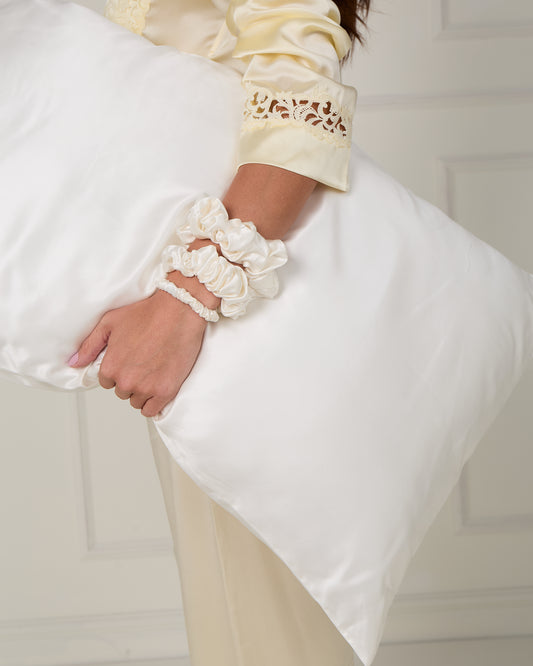
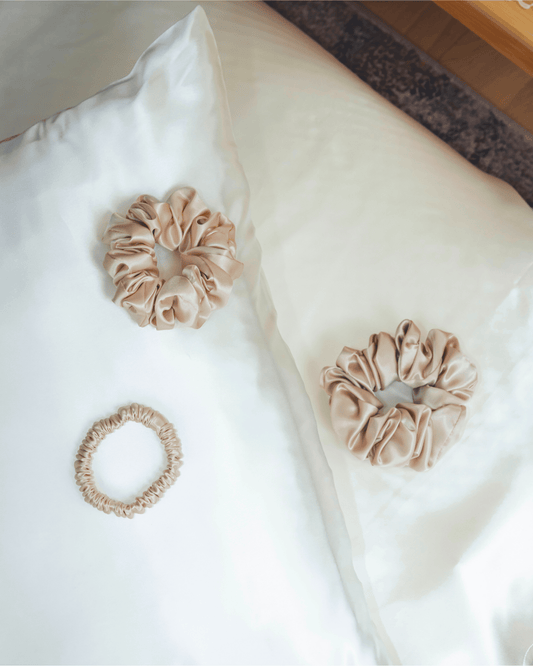
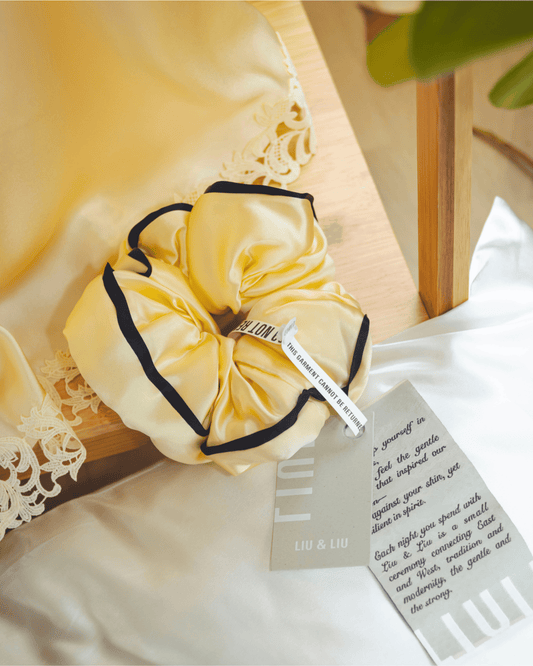
Liu&Liu also sources silk ethically, and we design our pillowcases with envelope closures and durable stitching to ensure they stay smooth under your cheek night after night. By integrating mulberry silk into items like our MOONDROP pure silk pillowcase or our silk hair scrunchies, we aim to help you wake up with healthier skin and hair every day. Our customers often report reduced morning facial creases, less hair frizz, and even fewer acne flare-ups after switching to our silk pillowcases – essentially reaping the benefits we’ve discussed in this article. We’re proud to be part of your journey to better sleep and beauty through the power of authentic silk.
(And if you’re wondering: yes, we’re obsessed with quality. Each Liu&Liu silk pillowcase goes through rigorous testing for silk purity and is certified to be free of harmful substances. Your skin deserves nothing less than the best nature and science can offer.)
Conclusion
When comparing silk vs polyester for skin and hair, the science is clear: silk is a natural powerhouse that nurtures your complexion and tresses, whereas polyester is a budget imitator that can undermine your beauty sleep. Silk’s low friction means fewer wrinkles and smoother hair; its non-absorbency means better hydration for skin and less hair dryness; its breathability means cooler, sweat-free nights; and its hypoallergenic, antibacterial nature means a cleaner, calmer surface for sensitive skin. Polyester might have a satin shine, but it can’t replicate those benefits – instead it often leads to more heat, more static, and potential skin irritation or breakouts.
Investing in a quality silk pillowcase (like the 100% mulberry silk ones by Liu&Liu) is an investment in your skin and hair health. It’s a simple switch with profound results: fewer sleep lines, softer hair, clearer skin, and a bit of nightly luxury to boot. Plus, silk is durable and long-lasting, especially when cared for properly, making it more sustainable in the long run than cheap polyester that needs frequent replacing.
In the quest for healthy, radiant skin and hair, every detail counts – including your pillowcase. By choosing silk over polyester, you’re choosing a fabric that works with your body’s natural processes, not against them. Say goodbye to waking up with a sleep-creased face and frizzy bedhead. With silk, you really can “sleep your way” to better skin and hair.
And as Liu&Liu likes to say, your skin knows the truth. Treat it to the gentle, scientific goodness of real silk and enjoy the difference each morning in the mirror.
FAQ: Silk vs Polyester — Skin & Hair Science
Does silk really prevent wrinkles?
Silk has a naturally smooth, low-friction surface. Your skin glides instead of dragging, which helps reduce the sleep creases that can turn into fine lines over time. Polyester has a higher friction level, so it can pull on skin during the night.
Is silk better for people with acne or sensitive skin?
Yes. Silk is hypoallergenic and does not cling to oils or bacteria in the same way polyester does. Because silk stays drier and cleaner overnight, it creates a calmer environment for skin that is prone to irritation, breakouts or redness.
Why does polyester make my hair frizzy?
Polyester tends to hold static because it absorbs almost no moisture. When your hair rubs on a polyester pillowcase, the static and friction can cause frizz, dryness and breakage. Silk absorbs ambient moisture and reduces static, helping hair stay smooth.
Is silk better for curly or damaged hair?
Absolutely. Curly, textured or colour-treated hair benefits from silk’s low friction and anti-static properties. Silk helps curls stay defined and prevents the moisture loss that leads to dryness and breakage.
Does silk help with night sweats?
Silk is breathable and helps regulate temperature, so many hot sleepers find they stay cooler on silk. Polyester traps heat and humidity, which can increase sweating and discomfort.
Will silk absorb my skincare products?
No. Silk is far less absorbent than polyester blends, so your night creams and serums stay on your skin rather than disappearing into the pillowcase.
Is polyester satin the same as silk?
No. Polyester satin imitates the sheen of silk, but the fibre itself is synthetic and behaves differently. It does not have the same breathability, moisture control, or skin-friendly properties as real mulberry silk.
How often should I wash a silk pillowcase?
Once a week is usually ideal. Silk does not trap oils, dust or bacteria as readily as polyester, so it stays fresher for longer. Use a gentle detergent and cool water to preserve the fibre.
Is silk more durable than polyester?
High-grade mulberry silk is surprisingly strong for a natural fibre. It lasts many years with proper care. Polyester can tolerate harsher washing but often pills, becomes shiny or traps odour over time, leading to more frequent replacement.
Do I need to upgrade all my bedding to silk?
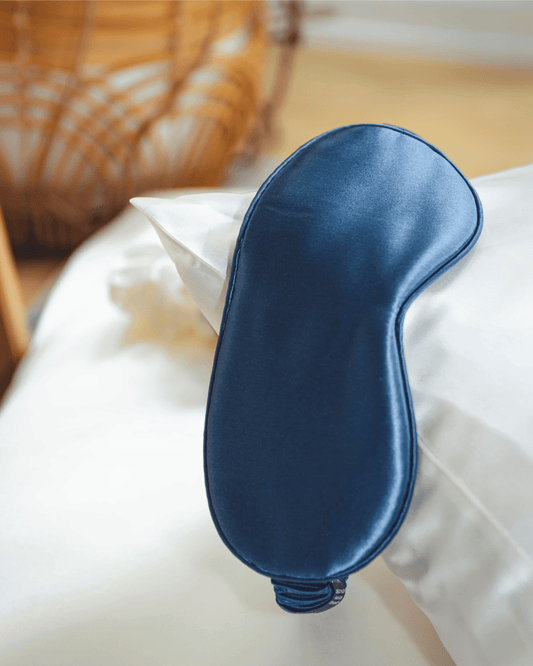
Not at all. Starting with a silk pillowcase is enough to experience most of the skin and hair benefits. Many Liu&Liu customers begin with a single pillowcase and later add pieces like eye masks or scrunchies.
References
- American Academy of Dermatology (n.d.) “Acne myths: Are any preventing you from seeing clearer skin?” AAD Public Resources. (Recommends changing pillowcases 1–2 times weekly to help prevent acne) (westlakedermatology.com)
- Belledorm (2024) “Which Pillowcase Is Better for Your Hair?” Belledorm Blog, 3 July 2024. (Notes that synthetic polyester is non-breathable and creates static, leading to frizzier hair) (belledorm.co.uk)
- Hanson, M. (2025) “Skin Health Sleep Habits: Is Your Pillowcase Causing Wrinkles?” Westlake Dermatology Blog, 15 July 2025. (Discusses how fabrics like silk reduce friction, retain moisture, and prevent sleep wrinkles, whereas cotton/polyester can cause lines and irritation) (westlakedermatology.comwestlakedermatology.com)
- Patra, R. (2025) “Natural Silk vs Fake Silk: The Difference and Clear Distinctions.” Patra Selections Blog, 23 May 2025. (Explains silk’s amino-acid based benefits: hypoallergenic, moisture-balancing, low friction; notes polyester satin lacks breathability and can feel static-prone) (blog.patra.comblog.patra.com)
- Sacra-Paden, C. (2020) “The Best Pillowcase for Acne.” Water’s Edge Dermatology Blog, 6 Oct 2020. (Features insights from Sydney VanHoose, APRN, on how silk/satin pillowcases are smoother, less absorbent options that don’t draw out oils or harbor bacteria, unlike cotton or polyester blends) (wederm.comwederm.com)
- ElleSilk (2025) “Why Do Silk Sheets Reduce Static? A Comprehensive Guide.” ElleSilk Bedding Blog, 2025. (Provides data on fibre moisture absorption: silk ~30%, cotton ~8%, polyester <1%, and how silk’s moisture and smoothness dramatically reduce static buildup compared to polyester) (ellesilk.comellesilk.com)
- Ebb & Weave (2023) “From Cotton to Silk: How Different Fabrics Impact Your Skin’s Health.” Ebb & Weave Insights, 26 Aug 2023. (Notes that cotton’s moisture retention can promote bacteria growth; by implication, highlights how a drier fabric like silk can mitigate damp environments that irritate skin)(ebbandweave.co.ukebbandweave.co.uk)
- Reddit user
u/saudadeusurper(2023) Discussion on best clothing materials for health. Reddit r/Fabrics thread, comment dated 2023. (Mentions that polyester can trap bacteria, leading to odour or infections, unlike breathable natural fibres) (reddit.com)