
Cocooned in Comfort: Natural Silk and the Art of High-Quality Sleep
Night is more than a pause in our day — it is a transformation. In these dark hours, our bodies undergo quiet repair as cells regenerate and muscles heal, while our minds weave the day’s experiences into memory. We slip into a world of softness and shadow where the bed becomes our cocoon. Here, fabric isn’t just a surface; it forms a nocturnal habitat that can either nurture our biological restoration or disrupt it. The gentle brush of a blanket, the breathability of a sheet, even the way a pillowcase caresses your face—all these fabric qualities influence how safe, comfortable, and restored you feel by morning.
The materials we sleep in create a “nocturnal habitat” – a microclimate of temperature, humidity and touch that can cradle or disturb our rest.
The micro-climate under our covers – temperature, humidity, and touch – directly shapes sleep quality. Studies show that an excessively high or low bedroom temperature can compromise sleep. Being too warm, for instance, reduces the amount of deep sleep (the stage when tissues repair and memories consolidate) — if you’ve ever kicked off a heavy duvet at midnight, you know how overheating can jar you awake. Conversely, a well-chosen bedding fabric helps maintain a stable, soothing climate that invites deeper, uninterrupted sleep instead of fitful tossing. In short, the fabric enveloping us quietly orchestrates a balance of coolness, warmth, and airflow that tells the body it’s safe to surrender to slumber.
Thermal Harmony: Silk and Body Temperature
Of all bedding materials, natural mulberry silk stands out for its remarkable thermal balancing act. Silk isn’t “too hot” or “too cold” – it’s adaptive. Unlike polyester or other synthetic fabrics that tend to trap heat and humidity, silk continuously regulates body temperature by allowing excess warmth to dissipate. Silk fibers have a low thermal conductivity (about 0.12 W/m·K, significantly lower than cotton or polyester), meaning they don’t conduct heat away from your body too quickly. The structure of silk – thousands of tiny filaments creating microscopically thin layers of air – acts as natural insulation, keeping you cool in summer and warm in winter. In practice, silk sheets can quickly release built-up body heat during a hot night, reducing those sweaty wake-ups caused by overheating. During colder nights, the same silk will cocoon you with gentle warmth without the weight or stifling heat of heavy bedding.
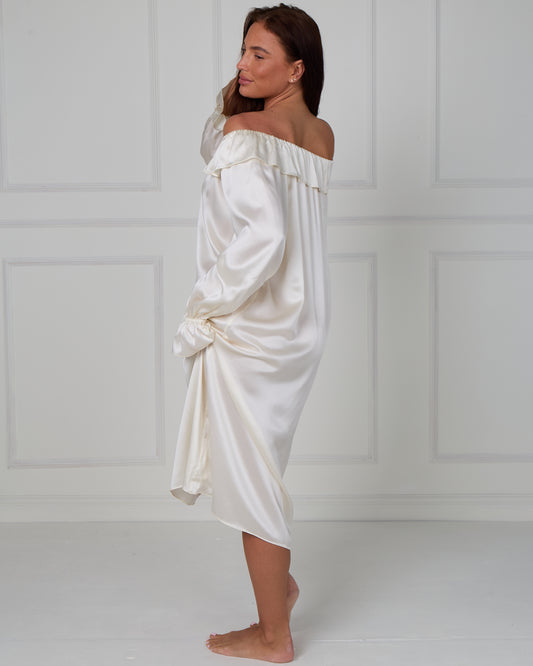
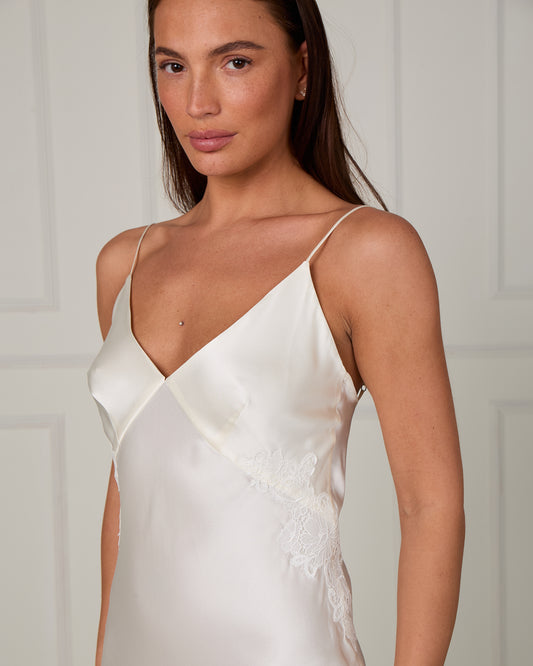
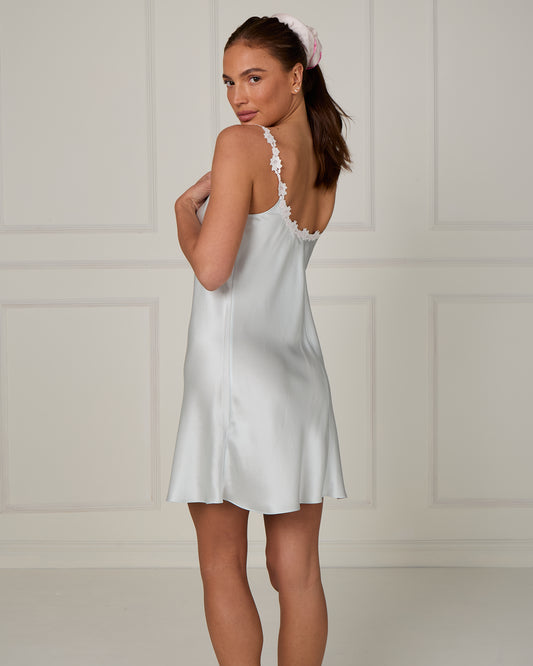
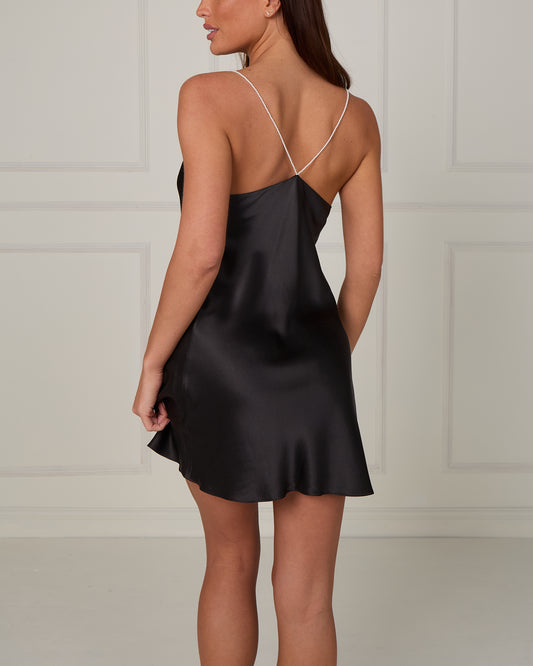
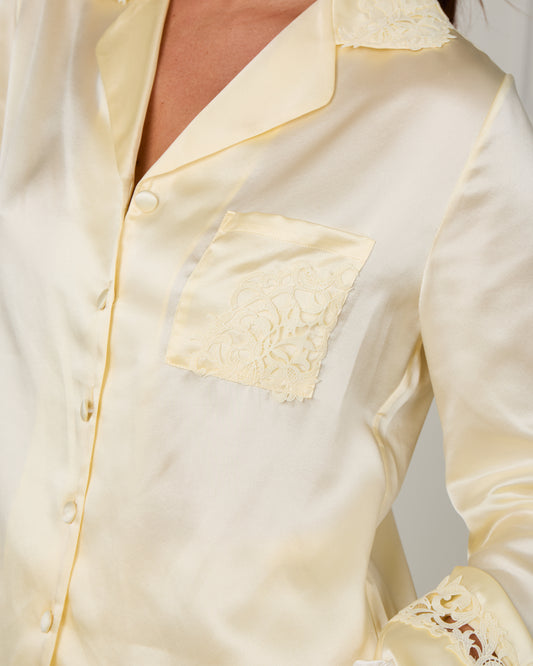
Equally important is silk’s ability to manage moisture. Silk can absorb over 30% of its weight in moisture without feeling damp. By wicking away perspiration, it keeps your skin dry and comfortable as you sleep. (For comparison, cotton saturates at around 25% and can become clammy, while polyester’s moisture absorption is near zero – meaning sweat tends to pool on your skin with synthetics.) The result is that silk maintains a consistently cosy microclimate around your body, helping to prevent the temperature swings that often disrupt sleep. Hot sleepers, in particular, find that silk bedding allows them to stay asleep longer because they aren’t waking up to throw off covers or flip to a cool side of the pillow. In fact, simply swapping out a sweaty poly-cotton blend pyjama for breathable silk – say, a light Liu&Liu silk robe or set of pyjamas – can help your body shed excess heat and settle into sleep faster. By keeping you in that “Goldilocks” zone of comfort, silk truly creates a thermal harmony that supports deep, uninterrupted slumber.


Silk on Skin: Touch, Comfort and Skin Health
There is a tactile poetry to silk that our skin understands instinctively. Mulberry silk is one of the smoothest fibres in the world, with a friction coefficient around 0.35 – dramatically lower than that of cotton (approximately 0.55). What does this mean for you? It means silk glides. As you shift on your pillow or between the sheets, silk reduces the tiny tugs and pulls on your skin and hair. Over the course of a night, a cotton pillowcase can abrade delicate facial skin and leave sleep-crease imprints, but a silk pillowcase minimizes these lines by letting your skin slide softly. Likewise, hair that would turn into a frizzy tangle on a rough fabric will wake up smoother and less “bedraggled” after resting on silk. The gentleness of silk is more than a luxury; it actively protects your skin and hair from wear and tear.
Silk’s benefits go beyond reducing friction. Unlike absorbent materials such as cotton, silk does not steal moisture away from your skin overnight. Cotton can act like a sponge, drawing your skin’s natural oils and any applied night creams into the fabric – leaving you with a dry, tight face by morning. Silk, by contrast, helps skin retain its hydration. The sericin protein in silk has natural moisturising properties that help maintain skin water content. As a result, sleeping on silk has been shown to reduce trans-epidermal water loss, supporting your skin’s barrier as it regenerates overnight. In plainer terms: your face stays more supple and your nighttime skincare stays on your skin, where it belongs, instead of being absorbed into your pillowcase.
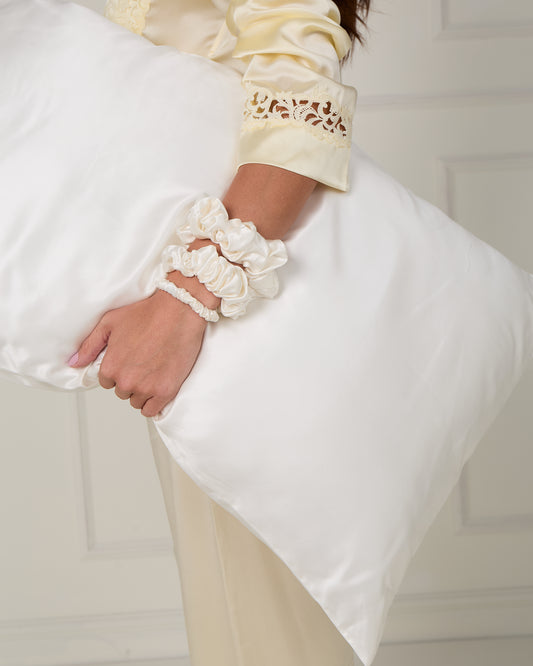
This skin-friendly environment can be a game-changer for people with sensitive skin or conditions like eczema. Coarse fibers or heat-trapping textiles often exacerbate itching and irritation at night. Silk, however, is naturally hypoallergenic and irritant-free. Its breathable, low-friction texture means less chafing on dry or inflamed patches, helping to break the itch-scratch cycle for those with eczema. Many who switch to silk bed linens notice fewer redness and irritation flare-ups, as the skin can “breathe” and stay hydrated in contact with silk. For your nightly routine, simply resting your head on a mulberry silk pillowcase (such as one from Liu&Liu) ensures your face and hair are cradled by a smooth, cool surface rather than a rough or moisture-leaching one. It’s a small change that yields cumulative benefits – fewer sleep lines, healthier hair, and skin that feels calm and cared-for each morning.

A Hypoallergenic Haven: The Clean Sleep Environment
Beyond comfort and beauty, silk offers a hidden benefit: it helps keep your sleep environment cleaner and calmer on a microscopic level. Traditional bedding can become a breeding ground for dust mites – those tiny creatures that thrive in the warm, humid folds of mattresses and pillows. These mites (and their allergens) are a common trigger for asthma and allergies, and unfortunately our beds are their buffet. Regular cotton or wool bedding traps moisture and dead skin cells, creating ideal conditions for dust mites to flourish. Silk, by contrast, is naturally unwelcoming to these unwelcome guests.
Mulberry silk contains a protein called sericin that actually repels common allergens like dust mites and mold. Its fibres are long, smooth, and tightly woven, leaving little space for mites to burrow or colonise. Moreover, silk does not retain moisture the way cotton or down do; it wicks away sweat and stays relatively dry, depriving dust mites of the damp environment they need to thrive. The overall effect is that silk bedding creates a kind of hostile terrain for dust mites and microbial allergens.
Allergy sufferers often report that switching to silk duvets or pillowcases noticeably reduces nighttime congestion and morning sniffles. Scientific observations back this up: silk’s structure and chemistry inhibit dust mite and bacterial growth, leading to fewer allergens in the bed. For those with asthma or sensitivities, this means less wheezing and irritation interrupting their sleep. Even if you don’t have allergies per se, a cleaner sleep environment can translate into more peaceful sleep – there’s a reason we breathe easier in fresh air. With silk, your bed can become a hypoallergenic haven, naturally resisting the buildup of dust and dander. It’s as if the silk is quietly doing housekeeping, keeping your nocturnal habitat purity and irritant-free. The result is a fresher bed and a calmer night’s rest, especially for anyone prone to allergies or skin reactions.
Soft Serenity: Reducing Stress and Cortisol at Bedtime
High-quality sleep isn’t just about physical comfort; it’s also about emotional comfort. There’s a deep sense of safety we crave at night – a signal to our brains that we can let go. The fabrics around us contribute powerfully to this sense. When we feel uncomfortable in bed – whether we’re overheated, clammy, or being pricked by rough fibers – our brain perceives a subtle threat or disturbance. We might not be conscious of it, but the body responds by keeping us in a state of alertness. Stress hormones like cortisol remain elevated when our environment is irritating or stressful, essentially telling us to stay awake and vigilant. Ever notice how hard it is to fall asleep on scratchy sheets or in a stuffy room? Your body is, in effect, on guard.
Creating a sense of serenity in your sleep space can have the opposite effect – it gently signals to your nervous system that you’re secure, allowing cortisol levels to drop naturally. Softness is its own kind of sedative. Researchers note that if your bed is comfortable and made with breathable, soothing materials, it’s much easier for your mind and body to unwind. Silk excels at this kind of psychological comfort. The moment you slip under a silk duvet or rest your head on a silk pillow, you experience a cool, smooth touch and perfect drape that conforms to your skin. There are no scratchy wool fibers to make you itch, no synthetic plasticky lining to make you sweat – nothing to fight or fend off. This cocooning sensation triggers the body’s parasympathetic “rest and digest” mode, telling your heart rate to slow and stress to melt away.
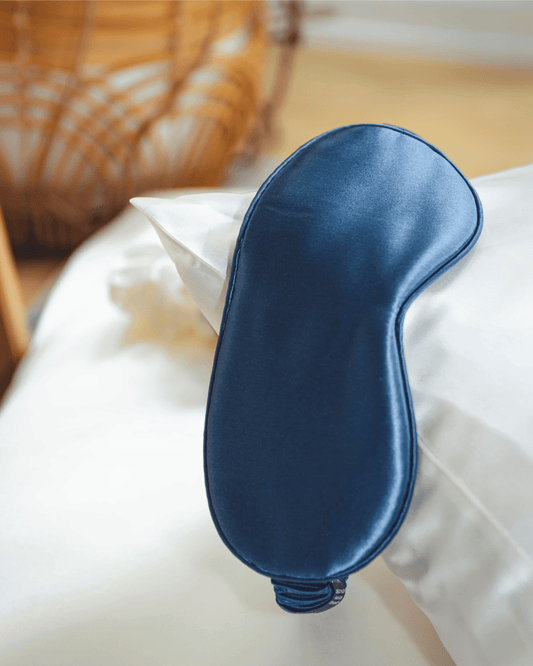
Many people describe sleeping in silk as being “embraced” or “held” in a gentle way. That’s more than just a poetic image – it speaks to the emotional safety that a silk-rich sleep environment can provide. Imagine the calming ritual of putting on a silk sleep mask, for example. The feather-light mask blocks out harsh light and its silk padding softly hugs the contours of your eyes. This light pressure has a cocoon-like effect that encourages your brain to release melatonin and serotonin – hormones that induce relaxation and happiness. In the same vein, wrapping yourself in a Liu&Liu silk robe as you dim the lights signals to your body that it’s time to slow down. These small, tender experiences compound: the breathable fabric keeps you thermally comfortable, the smooth touch reduces sensory irritations, and together these sensations whisper to your subconscious that you are safe and cared for. In this state of lowered guard, cortisol ebbs and your whole system can spiral down into the deeper stages of sleep where true rest and healing occur.

Conclusion: The Soft Strength of Slow Luxury
As we weave together the threads of science and sensibility, natural silk emerges as more than just a bedding material – it becomes a philosophy of sleep. In silk, softness is a form of strength. Consider that the silkworm spins its cocoon from a single, delicate thread to protect itself during transformation. We too can harness that soft, fibrous strength to foster our own nightly transformation. Silk’s gentle touch carries within it the power to regulate our physiology: keeping us cool, dry, and free of irritation so that we can truly rest. Its luxury is not loud or showy; it’s a quiet luxury that works slowly, night after night, improving our skin, soothing our nerves, and cradling us in comfort.
Embracing silk in your sleep routine is a way of practicing slow luxury – a radical form of self-care in a world that often rushes and overlooks the importance of rest. Unlike fast, disposable bedding or synthetic quick-fixes, silk is about investing in quality and well-being over time. There is a mindfulness in choosing a silk pillowcase or robe: you’re intentionally selecting something natural, enduring, and kind to your body. This kind of luxury isn’t about status; it’s about sanctuary. It’s the subtle delight of sliding into a bed that hugs you like a gentle cloud, or draping a robe that feels like a second skin. These moments of calm and comfort are profoundly restorative. They remind us that taking care of ourselves – indulging in softness, prioritising sleep, allowing ourselves peace – is not a extravagance but a necessary, even radical, act of care.
In the end, silk helps us create a restorative bedtime sanctuary where our bodies and minds can recharge. It’s the fabric of slow mornings and deep midnight dreams, of beauty sleep and wellness intertwined. Like a soft armour, silk fortifies us by reducing the frictions and stresses of the night, so that we emerge each morning not just well-rested, but subtly renewed. In a very real sense, wrapping ourselves in silk is like saying to our weary selves: “You are worthy of this gentle care.” And that message, whispered through every fibre that touches our skin, is the true luxury that leads to high-quality sleep and a healthier life ahead.
FAQ: Silk, Sleep and Natural Comfort
Does fabric really affect sleep quality?
Yes. Fabric influences temperature, humidity, and how the body senses comfort. Breathable, gentle materials help the nervous system relax, while heat-trapping or rough fabrics can disrupt sleep cycles.
Why is silk considered better for sleep than synthetic fabrics?
Silk naturally regulates temperature, absorbs moisture without feeling damp, and feels smooth against the skin. Synthetic fabrics like polyester tend to trap heat and humidity, which can interrupt deep sleep.
Can silk help with night sweats or overheating?
Yes. Silk allows excess heat and moisture to escape, helping the body maintain a stable temperature throughout the night. Many people who overheat find silk more comfortable than cotton or polyester.
Is silk good for sensitive skin or eczema?
Silk is hypoallergenic and low-friction. It does not irritate the skin or strip away moisture, which makes it suitable for people with sensitive skin, allergies, or eczema.
How does silk affect stress and relaxation at bedtime?
Comfortable, breathable fabrics reduce physical irritation and help signal safety to the nervous system. This can lower stress levels and make it easier for the body to unwind and fall asleep.
Is silk just a luxury, or does it offer real health benefits?
Silk is often seen as a luxury, but its benefits are practical. Better temperature regulation, skin comfort, and improved sleep quality contribute to overall wellbeing over time.
Do I need to replace all my bedding with silk?
No. Starting with a silk pillowcase or eye mask can already make a noticeable difference. These items directly touch your skin and help improve comfort without changing everything at once.
Why does Liu&Liu focus on mulberry silk?
Mulberry silk is the highest quality silk. Its fibres are longer, smoother, and more uniform, offering better durability, comfort, and breathability compared to lower-grade or blended silks.
Is silk difficult to care for?
Silk requires gentle care, such as cool water and mild detergent. With proper care, silk lasts many years and maintains its softness and performance.
What does “slow luxury” mean in the context of sleep?
Slow luxury values longevity, comfort, and mindful use over speed and disposability. Choosing silk for sleep supports a slower, healthier rhythm that prioritises rest and long-term wellbeing.
References:
- Li, X. et al. (2024). How do sleepwear and bedding fibre types affect sleep quality: A systematic review. Journal of Sleep Research, 33(6), e14217. (sleepstation.org.uk)
- Dore & Rose (2025). 7 Scientifically-Backed Reasons Silk Pajamas Improve Sleep, Skin & Health.
- ElleSilk (2025). How Silk Sheets Improve Sleep Quality: A Scientific Perspective.
- HeyAllergy (2025). Silk Bedding and Dust Mite Allergies: The Ultimate Guide for Allergy Sufferers. (heyallergy.comheyallergy.com)
- Happsy (2025). How to Create a Low-Cortisol Bedroom for Better Sleep.